Yoga Isn’t What You Think It Is
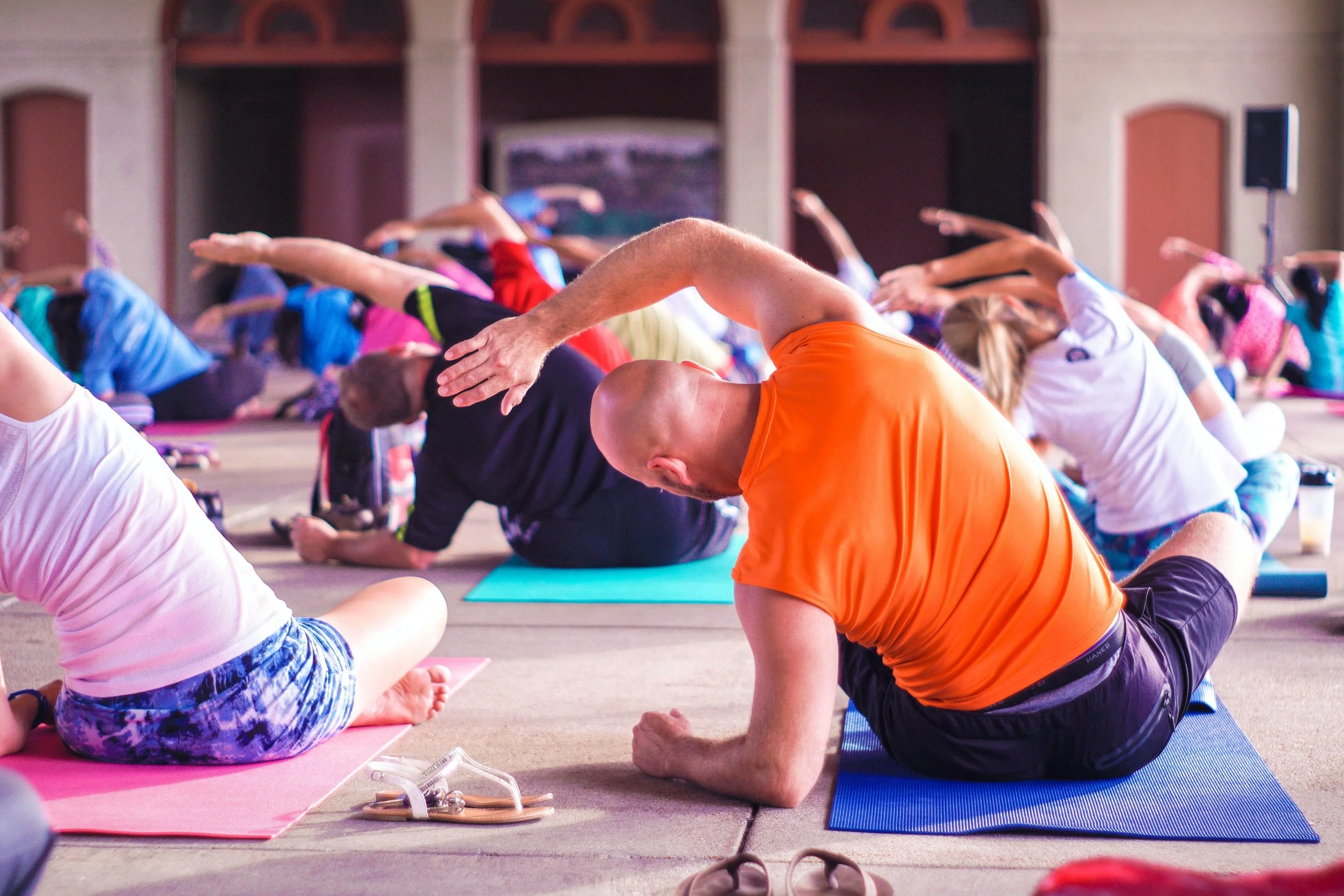
(And It Might Be Exactly What You Need)
If you’ve ever thought yoga wasn’t for you, you’re not alone.
Maybe you picture rooms full of bendy bodies, unfamiliar language, and poses you don’t recognize. Maybe you worry you’ll do it wrong, stand out, or feel exposed in ways you don’t want to. Or maybe you’ve tried a class before and left feeling lost, behind, or quietly judged—even if no one actually said anything.
So you decide yoga just isn’t your thing.
But most people who feel this way aren’t resisting yoga itself. They’re reacting to how it’s often presented: as something you should already be good at, already understand, or already belong in.
Yoga was never meant to be exclusive or performative. At its core, it’s a practice of attention—learning how to be with your body, breath, and inner experience as it is, not as you think it should be.
When yoga is approached this way, it becomes less about flexibility or fitness and more about building awareness, steadiness, and connection—on and off the mat.
Breath Comes First, Movement Follows
In yoga, breath isn’t something you add once you’ve mastered the poses. It’s where the practice begins.
Breathing with movement helps regulate the nervous system, improves focus, and anchors attention in the present moment. When breath leads, movement becomes less forced and more intuitive.
This is especially helpful if you tend to overthink, rush, or disconnect from your body.
Try this:
Let your breath set the pace instead of trying to keep up
Inhale to create space or prepare, exhale to settle or release
If you lose your breath, simplify the movement
Return to breathing whenever you feel overwhelmed or distracted
You don’t need to control the breath. You just need to notice it.
Learning to Observe Instead of Judge
One of the most powerful—and unfamiliar—parts of yoga is learning to observe your experience without immediately reacting to it.
Rather than pushing, fixing, or criticizing, you practice noticing: sensation, effort, ease, resistance, and rest.
This shift from judgment to observation changes how you relate to your body and your mind.
Try this:
Notice sensations without labeling them as good or bad
Observe how your breath responds to effort
Pay attention to what your body asks for, not what you think it “should” do
Replace self-criticism with curiosity
Over time, this awareness carries into daily life. You become better at noticing stress before it escalates and responding instead of reacting.
Balance Isn’t Stillness—It’s Responsiveness
Balance in yoga isn’t about holding perfectly still. It’s about adjusting moment to moment.
Yoga works with opposites: effort and ease, strength and softness, stability and movement. Learning to move between these states—rather than locking into one—is where balance actually lives.
Try this:
Notice where you tend to push and where you tend to hold back
Pair effort with release
Let balance be dynamic, not fixed
Apply this mindset off the mat as well
Balance is something you practice, not something you achieve.
Different Styles of Yoga—and Why That Matters
One reason yoga feels intimidating is the assumption that it’s all the same. It’s not.
Different styles offer very different experiences, and finding the right one can change everything.
You might resonate with:
Yin Yoga: slow, quiet, deeply grounding; long holds that support stillness and reflection
Gentle or Stretch-Based Yoga: accessible, supportive, focused on mobility and nervous system regulation
Sound Baths or Chanting: restorative practices using vibration and sound to calm the mind and body
Vinyasa or Flow: breath-linked movement with rhythm and continuity
Power or Athletic Yoga: strength-based, physically demanding, often faster paced
None of these are better than the others. They simply meet different needs at different times.
Yoga works best when it fits your body, your nervous system, and your life—not when you force yourself into a style that doesn’t feel supportive.
Yoga Beyond the Mat
Yoga is rooted in an eight-limbed path described in the Yoga Sutras. Physical postures are just one part of a larger framework that includes breathwork, ethical living, self-study, concentration, and meditation.
In other words, yoga isn’t about mastering poses. It’s about reducing suffering and increasing awareness.
When you approach yoga this way, it becomes less about how you look and more about how you live. Less about performance, more about presence.
Yoga doesn’t require a certain body, personality, or level of flexibility. It doesn’t ask you to change who you are before you begin.
It asks only that you show up and pay attention.
And that’s where the practice really starts.