The Connection Between Shared Activities, Resilience, and Well-Being
The patio was quiet except for the sound of birds in the distance and the occasional lawn mower from a neighboring yard. It was a beautiful Saturday afternoon. The kind of day that seemed made for being outside.
She sipped her coffee and looked through social media. A friend had posted photos from a hiking trail. Another was attending an outdoor concert. A local pickleball league had shared pictures from a weekend tournament. Families gathered at festivals. Cyclists filled the bike paths. People seemed to be everywhere.
She had plenty to do. Laundry. Gardening. A few errands. Maybe some work she had brought home during the week.
The day passed quickly.
By evening, everything on the to-do list was finished, yet something still felt missing.
The feeling surprised her.
She wasn't lonely in the traditional sense. She interacted with people every day. She had coworkers, family members, neighbors, and acquaintances. Her calendar stayed full.
Yet somewhere along the way, activities that brought enjoyment, connection, and community had gradually disappeared from her life.
This experience is increasingly common.
Research continues to show that social connection is one of the strongest predictors of physical and emotional well-being. Strong social networks are associated with lower rates of depression, improved resilience during stressful life events, better physical health outcomes, and greater overall life satisfaction. The U.S. Surgeon General has even identified loneliness and social isolation as significant public health concerns due to their impact on both mental and physical health.
What often gets overlooked is how connection develops.
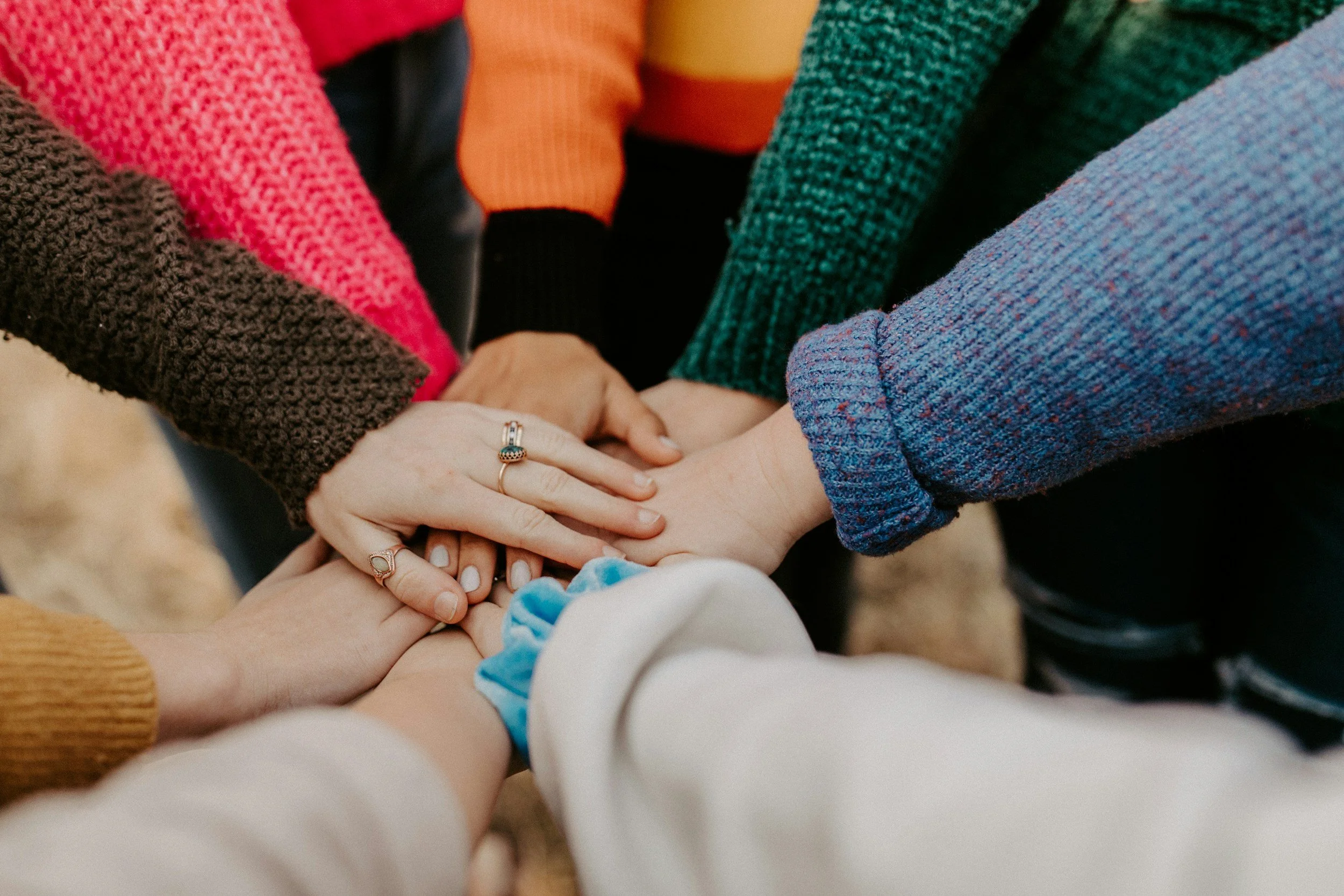
Many adults assume they need to find friends first. In reality, friendships and community often grow through shared experiences. People take the same yoga class, join the same hiking club, volunteer for the same organization, attend the same community events, or participate in the same recreational activities. Familiar faces become conversations. Conversations become relationships. Relationships become community.
This is one reason group activities can be so powerful.
A hiking club offers more than exercise. A group fitness class offers more than movement. A pickleball league offers more than competition. Community activities create opportunities for connection while also supporting physical health, learning, creativity, enjoyment, and a sense of purpose. They provide a shared experience that makes interaction feel natural rather than forced.
For adults navigating busy schedules, life transitions, caregiving responsibilities, retirement, divorce, relocation, or burnout, these activities can become an important pathway back to connection.
Applying It To Your Life
Choose an activity that genuinely interests you.
Connection tends to grow more naturally when people gather around a shared interest rather than focusing on meeting new people.Look for recurring opportunities.
Weekly classes, clubs, leagues, and community groups create familiarity over time. Familiarity often becomes belonging.Combine movement and connection whenever possible.
Group exercise classes, hiking clubs, pickleball leagues, walking groups, and outdoor recreation provide benefits for both physical and emotional well-being.Pay attention to what gives you energy.
Notice which activities leave you feeling engaged, curious, inspired, or refreshed. Those experiences are often worth repeating.Focus on participation rather than outcome.
The goal isn't to instantly create a new social circle. The goal is to create opportunities for connection through shared experiences.
Looking for a Place to Start?
This summer, consider exploring a local hiking club, joining a pickleball league, attending a group exercise class, volunteering for a cause you care about, or participating in a community volunteer event. Attend a workshop, art class, or other group class centered around your interests or hobbies. Even if you don’t end up connecting with new friends, you’ll learn something, move, or benefit the larger community.
Connection rarely appears overnight. It grows through repeated experiences, shared interests, and the willingness to show up. Sometimes a single activity becomes the starting point for a new friendship, a new hobby, or a stronger sense of belonging.